


Steel Framed Buildings: Myths vs Reality
When planning a new agricultural, industrial or commercial building, one of the first decisions you'll make is whether to choose a steel frame or timber frame construction. Both have their advantages, but the right choice will depend on the intended use of the building, your budget and your long-term requirements.
At G J Elgar Construction, we've specialised in steel frame construction since 1989, designing and erecting bespoke buildings across Kent and the South East. Here's how steel and timber compare.
Strength and Durability
One of the biggest differences between steel and timber is long-term durability.
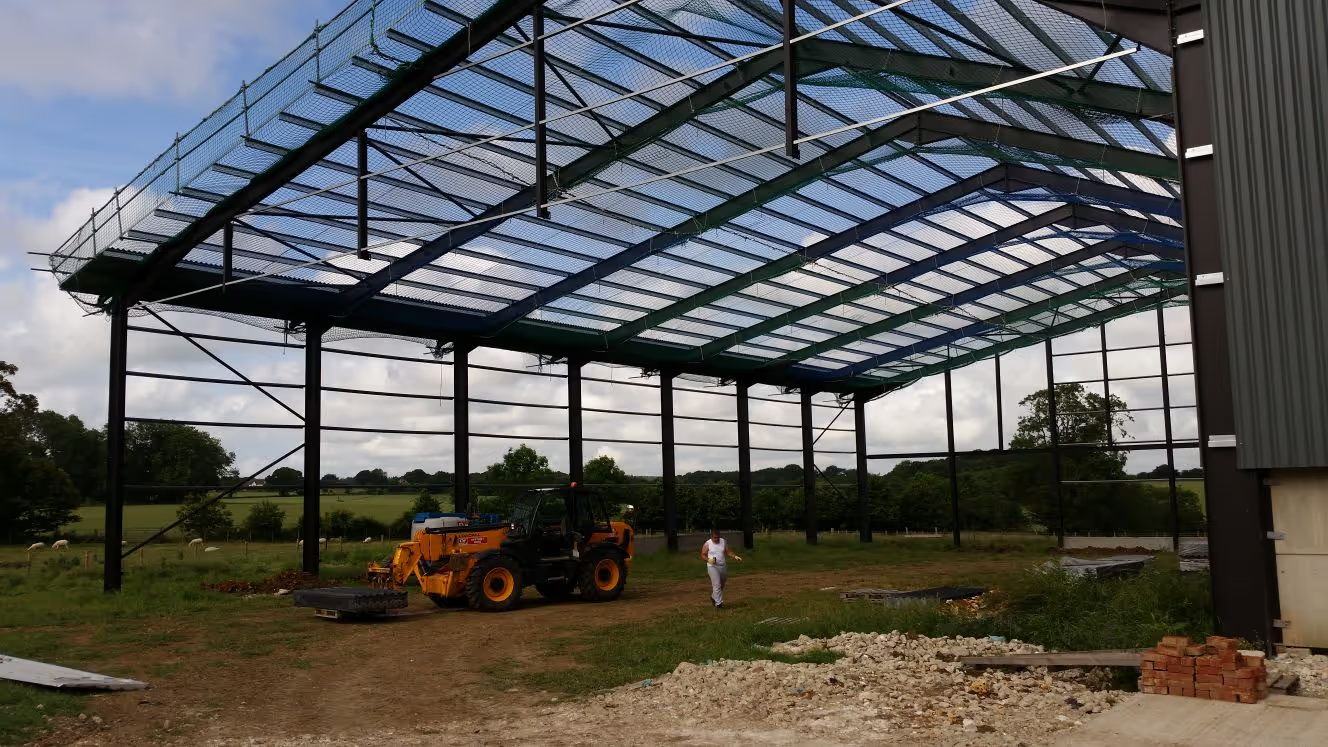
Steel provides exceptional structural strength and is well suited to large-span buildings such as warehouses, agricultural buildings, workshops and equestrian facilities. It won't rot, warp or become damaged by insects, making it a dependable choice for buildings designed to last for decades.
Timber is also a strong construction material, particularly for smaller buildings, but it is more susceptible to moisture, decay and pests if it isn't properly protected and maintained.
For many industrial and agricultural applications, steel offers greater longevity with fewer long-term concerns.
Construction Speed
Both steel and timber can provide relatively quick construction times when compared with traditional masonry buildings.
Steel frames are manufactured to precise specifications before arriving on site, allowing them to be erected efficiently once the foundations are complete. This helps reduce time on site and keeps projects moving according to programme.
The overall build time will always depend on the size and complexity of the project, but modern steel frame construction is recognised for its efficiency.
Building Size and Flexibility
Steel framed buildings can span greater distances without the need for numerous internal support columns. This creates flexible layouts that work particularly well for:
- Agricultural buildings
- Grain stores
- Dairy parlours
- Industrial units
- Workshops
- Storage facilities
- Equestrian buildings
Timber frame buildings can also be designed for a variety of uses, but larger spans often require additional structural support, reducing usable internal space.
Maintenance Requirements
Another important consideration is ongoing maintenance.
Timber requires regular inspection and maintenance to protect it from weather, moisture and insect damage. Over time, components may need repairing or replacing depending on the environment.
Steel requires relatively little maintenance. Modern steel structures are designed to provide long-term performance and, with routine inspections, can continue performing reliably for many years.
Which Is Better for Agricultural and Industrial Buildings?
For agricultural and industrial applications, steel is often the preferred option.
Its strength allows for wider spans, making it easier to create large uninterrupted spaces for machinery, livestock or storage. Steel is also well suited to demanding environments where durability and reliability are essential.
Whether you're planning a hay barn, grain store, industrial workshop or commercial unit, a bespoke steel frame building can be designed around your exact operational requirements.
How GJ Elgar Construction Can Help
At G J Elgar Construction, we have been designing and erecting British-made steel framed buildings across Kent and the South East for more than 30 years. From the initial design through to planning support, groundworks and steel frame erection, we provide a complete design and build service tailored to your requirements.
Whether you're planning a new agricultural building, industrial unit, equestrian facility or commercial extension, our experienced team can help you create a bespoke steel frame solution built to stand the test of time.
To discuss your next project, contact G J Elgar Construction today on 01233 623739 or complete our online enquiry form.
.png)